The Difference Between a Smooth Drum Roller and a Padfoot Roller
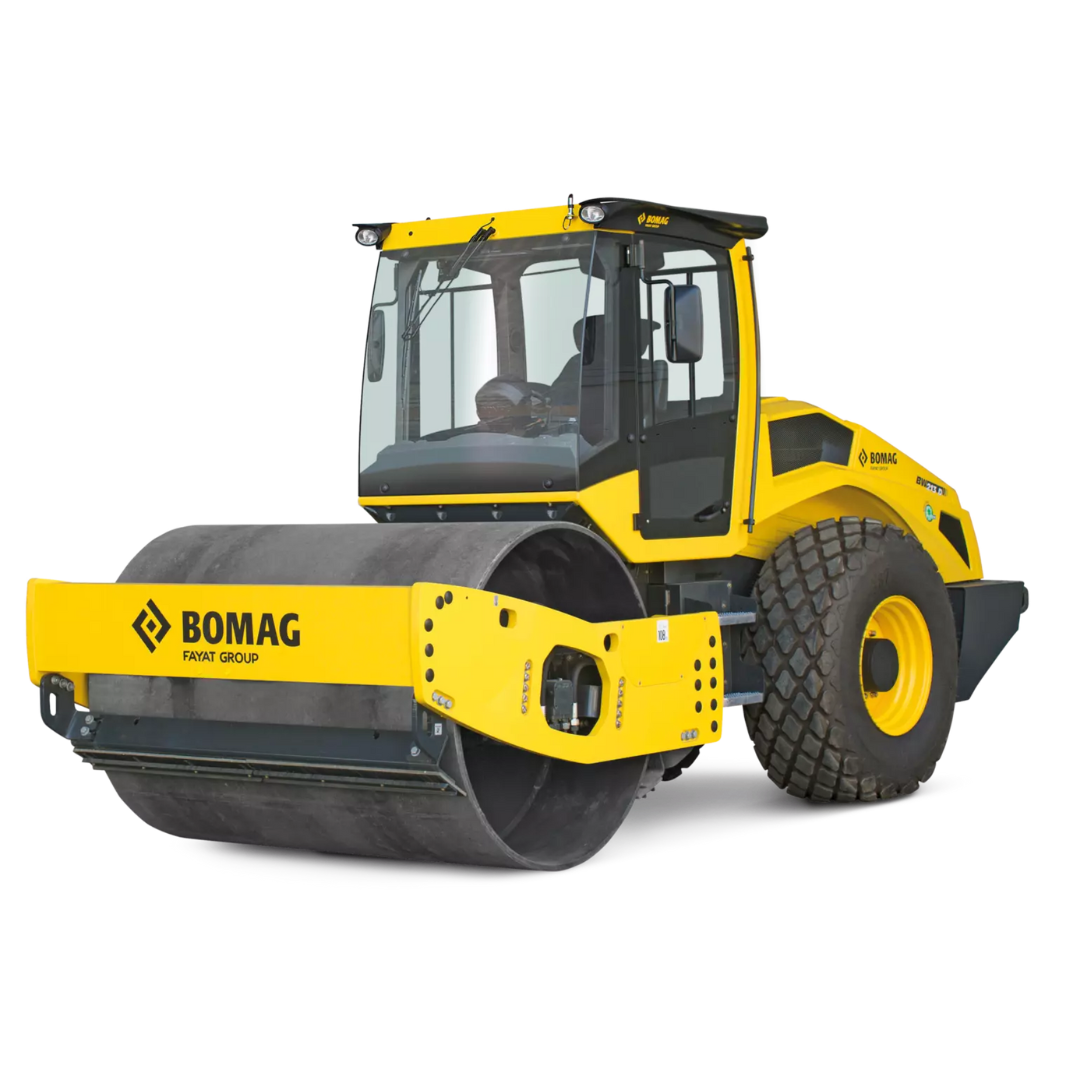
A smooth drum roller is used for compacting granular materials like sand, gravel and asphalt, creating a flat, even finish. A padfoot roller is designed for cohesive soils like clay, using raised pads to knead and compact the ground from the inside out.
If you need a finished surface, go smooth drum.
If you’re working with clay or need deep compaction, go padfoot.
What’s the real difference?
Smooth drum roller
At a glance, they might look similar, but how they compact material is completely different, and that’s what impacts your result on site.
A smooth drum roller uses a flat steel drum to compact material through static weight and vibration.
It’s designed to press material down evenly, which is why it’s typically used on finishing layers.
Best for:
- Asphalt compaction
- Gravel and crushed rock
- Road base finishing
- Car parks and driveways
Why it works:
It creates a uniform, level surface, which is critical when you need a clean finish or a base ready for sealing.
A padfoot roller has raised lugs (feet) across the drum. Instead of just pressing down, it kneads and manipulates the soil, compacting it layer by layer.
Best for:
- Clay and cohesive soils
- Wet or sticky ground conditions
- Bulk earthworks
- Trenching and embankments
Why it works:
The feet penetrate the soil and remove air pockets, giving you deeper, more stable compaction, especially where a smooth drum would just skate over the surface.
Key difference at a glance
| Feature | Smooth Drum Roller | Padfoot Roller |
|---|---|---|
| Surface | Flat steel drum | Drum with raised pads |
| Compaction Style | Press + vibration | Kneading + pressure |
| Best material | Sand, gravel, asphalt | Clay, cohesive soils |
| Finish | Smooth, even | Rough, not final finish |
| Typical Use | Final pass / finishing | Initial compaction |
When should you use each?
Here’s the practical way to think about it.
If your material is loose and granular, like road base or gravel, you want it compacted evenly without tearing it up. That’s where a smooth drum comes in.
If your material is sticky or holds shape, like clay, you need to break it down and compact it properly. That’s where a padfoot earns its keep.
A lot of jobs actually use both.
Padfoot first to build a solid base, smooth drum after to finish it off.
Choosing the right roller for your project
This is where a lot of people get it wrong. It’s not about the machine, it’s about the material and the outcome.
Ask yourself:
- What material am I compacting?
- Do I need depth or finish?
- Is this a base layer or final surface?
If you’re still unsure, it’s worth having the conversation before the job starts. Choosing the wrong roller can cost time, fuel and rework.
Equipment Hire Options with Yellow Hire
Contact UsAt Yellow Hire, we supply both smooth drum and padfoot rollers across civil, construction and regional projects.
Our team understands site conditions, not just machines, so you’re getting the right equipment for the job, not just what’s available.
Call us on 1800 784 453 to line up the right roller for your next project. Our enquire here.